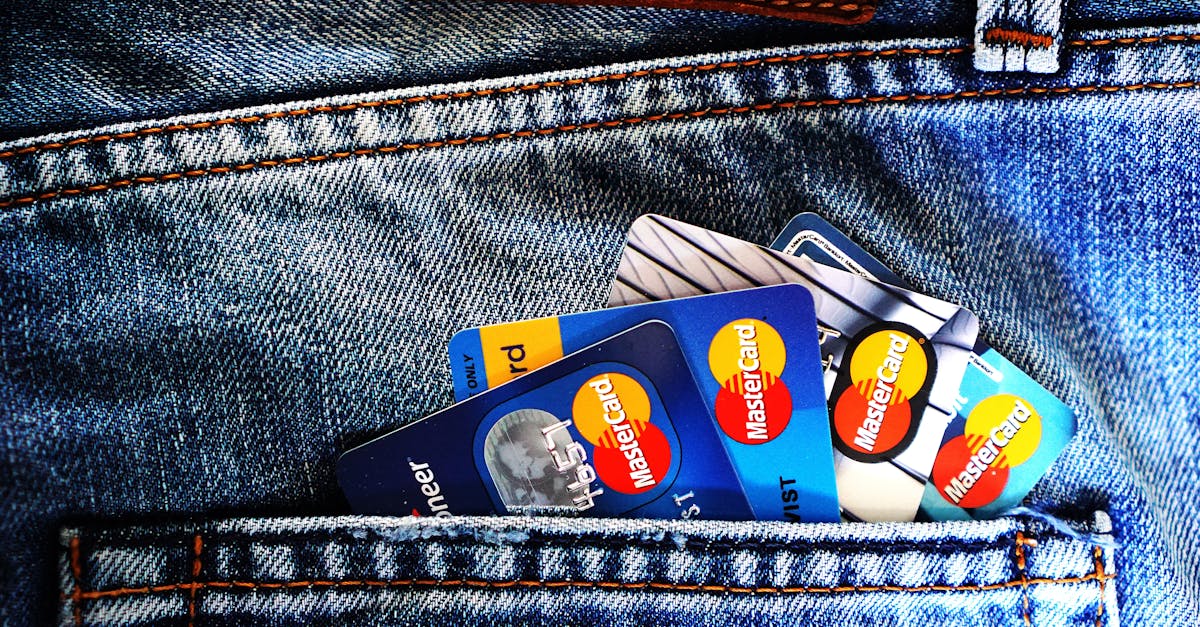
Mastering Your Credit Score: The Hidden Costs Beyond Interest Rates (And How I Boosted Mine by 150 Points in 6 Months)
Picture this: You’ve just landed your dream job, secured a fantastic apartment, and are finally ready to buy that reliable car you’ve been eyeing. You walk into the dealership, pick out your preferred model, and when it comes time for financing, the smile fades. The interest rate quoted is significantly higher than you anticipated, adding thousands to the total cost over the loan term. Or perhaps you’re applying for that new apartment, only to be asked for a larger security deposit because of a ‘lower than desirable’ credit score. Maybe you’re even denied the apartment entirely.
This isn’t just about big purchases; your credit score quietly influences countless aspects of your financial life, often in ways you don’t even realize until it’s too late. It’s more than just a number; it’s a financial reputation that can open doors or slam them shut. I’ve seen firsthand how a seemingly small difference in a credit score can translate into major financial consequences, and more importantly, I’ve experienced the transformative power of actively managing it. I once faced my own credit challenges, starting with a score in the low 600s after some poor financial decisions in my early twenties. Within six months, by implementing the very strategies I’m about to share, I saw my score jump by over 150 points, unlocking better rates and opportunities I previously thought were out of reach.
Key Takeaways
- Your credit score impacts far more than just loan interest rates, affecting insurance premiums, rental applications, utility deposits, and even employment prospects.
- The biggest mistake people make is focusing solely on paying bills on time; credit utilization and credit mix are equally critical and often overlooked.
- Strategically reducing your credit utilization to below 30% and ideally under 10% can provide one of the quickest boosts to your score.
- Monitoring your credit report for errors and disputing them promptly is a non-negotiable step to protect your financial standing.
The Invisible Hand: Beyond Loans and Credit Cards
Most people primarily associate a good credit score with getting favorable interest rates on mortgages, car loans, and credit cards. While this is absolutely true, it’s only the tip of the iceberg. The hidden costs and inconveniences of a low credit score permeate your life in surprising ways.
Let’s break down some of these often-overlooked areas:
- Insurance Premiums: Auto and home insurance companies in many states use credit-based insurance scores as a factor in determining your premiums. A lower credit score can translate into hundreds, sometimes thousands, of dollars more per year in insurance costs. They see a correlation between creditworthiness and the likelihood of filing claims, making it a critical underwriting factor. I’ve personally seen quotes for the same coverage vary by 20-30% simply based on the applicant’s credit score.
- Rental Applications and Security Deposits: Landlords frequently check credit scores as part of their tenant screening process. A low score can lead to denial, or at the very least, a demand for a much larger security deposit (sometimes two or three months’ rent instead of one). This ties up significant cash that could otherwise be invested or used for emergencies.
- Utility Services: When you move into a new home and set up electricity, gas, water, or even internet, utility companies often run a credit check. If your score is low, they might require a substantial deposit to initiate service. These deposits can range from a few hundred to over a thousand dollars, again impacting your immediate cash flow.
- Cell Phone Contracts: Want that new smartphone with a great plan? Cell phone providers might offer less favorable terms, require a deposit for new service, or limit your device choices if your credit score isn’t up to par.
- Employment Background Checks: While not as direct as a loan, some employers, especially those in financial or high-responsibility roles, may conduct credit checks. They’re not looking at your score directly, but rather for signs of financial distress or irresponsibility, which can be a red flag regarding reliability and trustworthiness. While specific credit scores aren’t typically a disqualifier, a history of collections or severe delinquencies can raise concerns.
The mistake I see most often is people waiting until they need good credit to start thinking about it. By then, it’s often too late to make the quick, impactful changes necessary. Proactive management is key, and it starts with understanding these broader implications.
The 3 Pillars of Credit Scoring: Beyond Just Paying on Time
Everyone knows paying your bills on time is crucial. It accounts for roughly 35% of your FICO score, making it the single most important factor. But relying solely on timely payments is like trying to build a house with just a hammer – you’re missing essential tools. To truly master your credit, you need to understand the other critical components:
Credit Utilization (30% of your FICO score): This is the ratio of your outstanding credit card balances to your total available credit. If you have a credit card with a $10,000 limit and a $5,000 balance, your utilization is 50%. This is the second most impactful factor, and it’s where many people stumble. The common misconception is that as long as you pay on time, a high balance is fine. Not true. Lenders view high utilization as a sign of financial strain, even if you pay the full statement balance every month. What changed everything for me was realizing the reporting date matters more than the due date. Many card issuers report your balance to credit bureaus a few days after your statement closes. If you pay your bill after that reporting date, even if on time, a high balance will be shown to the bureaus. My strategy involved paying down my balance before the statement closing date to ensure a low utilization percentage was reported.
- Actionable Insight: Aim to keep your total credit utilization across all cards below 30%, and ideally, under 10%. If you have a $10,000 total credit limit across all cards, try to keep your combined balances under $1,000. This often means making multiple payments throughout the month, not just one large payment on the due date.
Length of Credit History (15% of your FICO score): This considers the age of your oldest account, the age of your newest account, and the average age of all your accounts. Lenders prefer to see a long, stable history of responsible credit use. This is why closing old, unused credit card accounts can sometimes backfire, as it reduces your average age of accounts and eliminates available credit, potentially spiking your utilization.
- Actionable Insight: Don’t close old credit card accounts, especially if they have no annual fee and you’ve managed them responsibly. Even if you don’t use them regularly, keep them active by making a small, recurring purchase (like a streaming service) and paying it off immediately each month.
Credit Mix (10% of your FICO score): This refers to the different types of credit you have (e.g., credit cards, installment loans like mortgages or car loans). Having a healthy mix demonstrates your ability to manage various types of debt responsibly. Someone with only credit cards and no installment loans might be viewed differently than someone with a car loan, a mortgage, and a couple of credit cards.
- Actionable Insight: While you shouldn’t take out loans you don’t need just for the sake of your credit mix, if you are considering a major purchase like a car or a home, understand that a well-managed installment loan can positively contribute to this factor over time.
New Credit (10% of your FICO score) also plays a role, considering how many new accounts you’ve opened recently and the number of hard inquiries on your report. Too many new accounts or inquiries in a short period can signal higher risk.
My 6-Month Strategy for a 150-Point Credit Score Jump
When I realized the full scope of my low credit score’s impact, I committed to a structured plan. Here’s exactly what I did, which led to a significant 150-point increase in just half a year:
Obtained and Reviewed All Three Credit Reports: My first step was to get free copies of my credit reports from Equifax, Experian, and TransUnion via AnnualCreditReport.com. I didn’t just glance at them; I meticulously reviewed every single account, every address, every inquiry, and every payment status. To my surprise, I found a medical bill in collections that I had already paid, simply due to a clerical error at the provider’s office. This was a critical find.
- Actionable Insight: Access your reports annually. Look for errors, unfamiliar accounts, incorrect payment statuses, or outdated information. These reports are the foundation of your score.
Disputed Every Error, Relentlessly: That erroneous medical collection was a major drag on my score. I immediately contacted the credit bureau and provided proof of payment. It took a few weeks and follow-up calls, but persistence paid off, and it was removed. I also found an old address linked to an account that wasn’t mine and had that corrected. Every little correction helps.
- Actionable Insight: If you find an error, dispute it in writing with the credit bureau and, if applicable, with the original creditor. Keep detailed records of all communication and documentation.
Aggressively Paid Down High-Interest Credit Card Balances: This was the game-changer for my utilization. I had two credit cards with relatively high balances – one at 70% utilization, the other at 60%. I prioritized paying these down. I used the ‘debt snowball’ method, focusing all extra income on the smallest balance first while making minimum payments on others, then rolling that payment into the next smallest. This created momentum and quickly brought my utilization percentages down. Once the first card was under 30%, I saw a noticeable bump in my score.
- Actionable Insight: Focus on reducing credit card balances. If you have multiple cards, target the one with the highest utilization percentage first, not necessarily the highest interest rate, for the quickest score impact. Then, once it’s under 30% (or even better, under 10%), move to the next.
Implemented Mid-Cycle Payments: This was a subtle but incredibly powerful tactic for managing utilization. Instead of waiting for the statement due date to make one lump sum payment, I started making payments before my statement closing date. For example, if my statement closed on the 15th and my payment was due on the 5th of the next month, I’d make a payment around the 10th. This ensured that the low balance was reported to the credit bureaus, even if I planned to use the card again before the official due date.
- Actionable Insight: Make a payment or two a week or two before your statement closing date. This ensures a lower balance is reported to the credit bureaus, optimizing your credit utilization ratio.
Leveraged Credit Limit Increases Strategically: Once my utilization was lower and my payments were consistently on time, I started receiving offers for credit limit increases. I accepted them, but with a critical caveat: I did not increase my spending. A higher credit limit, with the same balance, instantly lowers your utilization percentage. For instance, if you had a $1,000 balance on a $2,000 limit (50% utilization) and your limit increased to $4,000, your utilization would drop to 25% without you doing anything else.
- Actionable Insight: If offered a credit limit increase, accept it, but only if you have the discipline not to increase your spending. This is a passive way to lower your utilization.
Established a System for Consistent, On-Time Payments: While I knew this was important, I put in place foolproof systems. I set up automatic payments for at least the minimum amount on all my accounts, making sure they cleared several days before the due date. For credit cards, I still manually paid more frequently to manage utilization, but auto-pay was my safety net for minimums. I also set calendar reminders for unique bills that didn’t have auto-pay options.
- Actionable Insight: Automate minimum payments for all accounts. Use calendar reminders for any non-recurring or non-auto-pay bills. Consistency is paramount for the payment history factor.
By diligently following these steps, I not only saw my score climb but also felt a significant reduction in financial stress. The benefits quickly became apparent: better insurance quotes, easier rental applications, and eventually, a much more favorable rate on my first home loan. It wasn’t about quick fixes; it was about consistent, informed action.
Common Misconceptions and Nuances to Understand
Navigating the world of credit can be complex, and there are many myths and half-truths that can lead people astray. Understanding these nuances is crucial for truly mastering your score.
- Myth: Carrying a balance is good for your credit. This is perhaps one of the most persistent and damaging myths. Carrying a balance simply means you’re paying interest, which is money wasted. As long as a balance is reported to the credit bureaus (even if you pay it off in full by the due date), it contributes positively to your payment history and utilization. The goal should always be to pay your statement balance in full every month to avoid interest, while ensuring a low utilization percentage is reported.
- Nuance: All inquiries are not equal. There are two types of credit inquiries: ‘soft’ inquiries and ‘hard’ inquiries. Soft inquiries (e.g., checking your own credit, pre-approved credit offers) don’t affect your score. Hard inquiries (e.g., applying for a new credit card, loan, or mortgage) can ding your score by a few points and remain on your report for two years. However, multiple inquiries for the same type of loan (like a mortgage or auto loan) within a short window (typically 14-45 days, depending on the scoring model) are usually treated as a single inquiry, recognizing that you’re shopping for the best rate, not taking on multiple new debts. Don’t be afraid to shop for rates, but be mindful of opening multiple new types of credit accounts simultaneously.
- Nuance: Store credit cards vs. major credit cards. While store credit cards can offer discounts, they often come with lower credit limits and higher interest rates. Opening many store cards in a short period can negatively impact your ‘new credit’ factor and potentially harm your average age of accounts if they are your newest accounts. Focus on a few major credit cards with good terms and rewards.
- Myth: You need to go into debt to build credit. Absolutely not. You can build excellent credit by simply using a credit card responsibly for everyday purchases you can afford and paying the statement balance in full every single month. This demonstrates responsible usage without incurring any interest charges.
Understanding these subtleties can prevent you from making common mistakes that set back your progress. It’s not just about what to do, but also what not to do.
The Long Game: Sustaining and Maximizing Your Score
Building a great credit score isn’t a one-time project; it’s an ongoing commitment. Once you’ve made significant progress, the goal shifts to maintaining those good habits and continuing to optimize. Here’s how to play the long game:
- Regular Credit Monitoring: Keep an eye on your credit reports and scores. Many banks and credit card companies now offer free credit score tracking (like FICO or VantageScore). Tools like Credit Karma or Experian’s free service can also provide alerts to changes. Regular monitoring helps you spot identity theft, errors, or any unexpected dips in your score early on.
- Strategic Credit Card Management: Don’t just pay bills; manage your credit cards. If you have high-limit cards, continue to use them sparingly and pay them off. If you have an old card with a small limit you rarely use, consider making a small, recurring purchase on it to keep it active and contributing to your length of credit history.
- Diversify Your Credit Mix (Naturally): As life progresses, you might naturally acquire different types of credit – a car loan, then a mortgage. Manage these new accounts with the same diligence. A diverse mix, handled responsibly, shows lenders you can juggle different financial commitments.
- Avoid Unnecessary Debt: While credit is a tool, it’s not a license to overspend. Maintain a disciplined approach to borrowing. Only take on debt you absolutely need and can comfortably afford to repay. Every new loan or credit line represents a new commitment that needs careful management.
- Stay Informed: Credit scoring models evolve, and best practices can change. Continue to educate yourself through reputable financial sources. The financial landscape is dynamic, and staying informed ensures your strategies remain effective.
My journey from a struggling credit score to one that consistently garners excellent rates taught me that financial empowerment comes from knowledge and consistent action. It’s not about magic tricks, but about understanding the rules of the game and playing them intelligently. The hidden costs of a poor credit score are real and impactful, but the rewards of a stellar one are even greater.
Frequently Asked Questions
Q1: How often should I check my credit score and reports?
A1: You should check your credit reports from all three major bureaus (Experian, Equifax, TransUnion) at least once a year via AnnualCreditReport.com. Many financial institutions and credit card companies now offer free credit score monitoring, which you can check monthly or even weekly. Regular checks help you catch errors or fraud quickly.
Q2: Will applying for a new credit card hurt my score?
A2: Yes, applying for a new credit card typically results in a ‘hard inquiry’ on your credit report, which can cause a slight, temporary dip (usually 2-5 points) in your score. This impact is generally small and short-lived if you are approved and manage the new account responsibly. However, multiple applications in a short period can be viewed negatively.
Q3: Is it better to close old credit cards I no longer use?
A3: Generally, no. Closing an old credit card can negatively impact your score in two ways: it reduces your total available credit, which can increase your credit utilization ratio, and it shortens the average age of your credit accounts, a factor in your length of credit history. If the card has no annual fee, it’s usually best to keep it open and occasionally make a small purchase to keep it active.
Q4: What’s the difference between FICO Score and VantageScore?
A4: FICO Score and VantageScore are the two primary credit scoring models. FICO is older and more widely used by lenders (over 90% of lending decisions). VantageScore is a newer model developed by the three major credit bureaus. While they use similar data, their scoring methodologies and ranges can differ slightly. Both aim to predict creditworthiness, but the score you see might vary depending on the model used.
Q5: How quickly can I improve a bad credit score?
A5: Significant improvement in a bad credit score (e.g., a 100+ point increase) typically takes 6 to 12 months of consistent, positive financial habits. If you have minor issues like high utilization, you might see improvements in as little as 1-3 months by aggressively paying down balances. For more severe issues like bankruptcies or collections, it can take years for those items to fall off your report, but you can start building positive history immediately.
In the grand scheme of personal finance, your credit score is one of the most powerful levers you have. It dictates not just your access to loans, but the very cost of living, from your insurance premiums to your security deposits. My experience taught me that with a clear understanding of the scoring factors and consistent, deliberate action, anyone can transform their financial reputation. Start by pulling your credit reports, correcting any errors, and then relentlessly focus on keeping your credit utilization low. The financial freedom and opportunities that come with a strong credit score are well worth the effort.
Written by Marcus Thorne
Financial Planning & Debt Management
A certified financial planner dedicated to helping individuals create sustainable financial plans.
You Might Also Like

Why Most People Fail at Stock Picking (And What Actually Works for Consistent Returns)
Uncover the hidden reasons why individual stock picking often leads to losses and learn a proven, counter-intuitive strategy for building wealth.

Why Early Retirement Fails Most People (And What Actually Works for Long-Term Financial Freedom)
Dreaming of early retirement? Elias Vance explains why conventional wisdom often falls short and shares strategies for genuine long-term financial freedom.

The Hidden Cost of Lifestyle Creep That Nobody Talks About (And How I Broke Free)
Discover the unseen financial drain of lifestyle creep and learn practical strategies to maintain your financial goals, not just your spending habits.